Exploring the Bold Spices of Jamaican Food

Anyone who has stood near a jerk pan on a roadside in Jamaica knows that the aroma arrives before the food does. Smoke drifts into the air, carrying pimento wood, charred meat, crushed scallion, thyme, and the unmistakable sting of Scotch bonnet pepper. It is a smell that announces itself with confidence. Jamaican food does that often. It does not whisper through subtle seasoning or hide behind heavy sauces. It leads with heat, fragrance, depth, and a kind of balance that only looks simple from a distance.
That balance is what makes the spice profile of Jamaican cooking so compelling. To outsiders, the food can seem defined by fire alone, as if every dish exists to test a diner’s tolerance for heat. Spend time with the cuisine, though, and a more precise picture emerges. Jamaican spice is layered. Heat matters, but so do sweetness, bitterness, earthiness, smoke, freshness, and aroma. The best cooks understand exactly how much of each note is needed, and when.
Spice in Jamaican cooking is about structure, not just intensity
One of the easiest mistakes people make when talking about Jamaican food is reducing it to “spicy food.” That description is too blunt to be useful. Plenty of Jamaican dishes are assertively seasoned without being aggressively hot. Others carry significant chile heat but still feel rounded rather than punishing. The point is not simply to make food hot. The point is to build flavor that holds its shape, even after slow cooking, grilling, frying, or braising.
This matters because many Jamaican staples are built around sturdy ingredients. Goat can handle long simmering. Pork welcomes smoke and char. Chicken absorbs marinade quickly but still needs enough seasoning to remain flavorful after cooking over open flame. Starchy sides such as rice and peas, boiled green banana, bammy, or fried plantain also ask for food with backbone. Light seasoning gets lost. Jamaican cooks season for the whole plate.
The result is food that tastes complete. A piece of jerk chicken should carry salt, herbaceous lift, warm spice, sweetness from browning and caramelization, and enough heat to wake up the palate without flattening it. A curry goat should feel deep and savory first, then gradually warmer with each bite. Even a bowl of soup, especially one made with yellow yam, pumpkin, or dumplings, often relies on thyme, scallion, black pepper, and Scotch bonnet to bring definition.
The spice cabinet starts with a few essentials
If there is one ingredient that captures the soul of Jamaican seasoning, it is pimento, also known internationally as allspice. The dried berry tastes like cinnamon, clove, nutmeg, and pepper met in one place and decided to cooperate. In Jamaican cooking, pimento works as a bridge. It ties sweet notes to savory ones and gives meat a warm, almost resinous depth. In jerk seasoning, it is indispensable. Without it, you may have a hot marinade, but you do not really have jerk.
Thyme is another cornerstone. Fresh thyme appears constantly in Jamaican kitchens, and for good reason. It stands up to long cooking, perfumes stews without turning soapy, and helps cut through the richness of meat. Scallion, often called green onion elsewhere, adds freshness and a mild sulfurous edge. Ginger contributes warmth and brightness. Garlic supports the base, though Jamaican seasoning often feels less garlic-forward than some other Caribbean cuisines.
Then there is Scotch bonnet pepper, the ingredient most associated with the island’s heat. Scotch bonnet is not interchangeable with any random hot pepper, at least not if flavor matters. It brings fruitiness, almost tropical in its aroma, and a floral top note that sits differently from the grassy bite of jalapeño or the sharper edge of habanero, though the two are related. Used carelessly, it can dominate a dish. Used properly, it creates lift and personality.
Nutmeg, black pepper, cinnamon, clove, turmeric, and curry powder also appear depending on the dish. Jamaican curry, for example, has its own identity. It tends to be aromatic and warm, often with turmeric, coriander, cumin, fenugreek, and other spices blended in proportions that differ from Indian or Southeast Asian curry traditions. The history behind that blend reflects migration, adaptation, and local taste. It is one of many reminders that Jamaican food is shaped by multiple culinary lineages, not a single thread.
Jerk is the loudest expression of Jamaican spice, but not the only one
Jerk deserves its reputation, though it can also obscure the rest of the cuisine. Proper jerk seasoning is one of the most sophisticated spice systems in the Caribbean. At its core, you are looking at pimento, Scotch bonnet, thyme, scallion, ginger, and often garlic, with salt and some sweetening element. Some cooks add cinnamon, nutmeg, black pepper, soy sauce, vinegar, or browning. Ratios vary sharply from one cook to another, which is part of the point. Jerk is personal.
The bigger misunderstanding is that jerk is a sauce. Traditionally, it is first a seasoning method, and then a cooking style. The meat is rubbed or marinated, often deeply, then cooked over pimento wood, which adds another layer of flavor that cannot be faked perfectly indoors. You can get close in an oven or on a grill, but the old roadside method delivers smoke in a way that settles into the crust and the meat beneath it.
Good jerk does not taste random. The first impression is often smoke and spice, but then subtler details arrive. The thyme reads green and almost lemony. The pimento lingers with warm sweetness. The pepper heat builds rather than striking all at once. Char contributes bitterness, which is useful because it reins in sweetness and makes the meat taste https://issuu.com/reggaepotdenver more savory. When jerk is done poorly, one of two things usually happened. Either the marinade leaned too hard on sugar, producing a sticky sweetness that burns before the meat develops depth, or the cook pushed the heat so far that every other note disappeared.
That tension between heat and complexity shows up across Jamaican food. Jerk just makes it impossible to ignore.
Curry in Jamaica has its own grammar
Curry goat is one of the clearest examples of how Jamaica handles spice differently from what many diners expect. The seasoning begins before the curry powder even enters the pot. Goat is often washed, trimmed, and rubbed with salt, black pepper, thyme, scallion, onion, garlic, ginger, and chile. Then the curry powder is “burned,” meaning briefly toasted in hot oil before liquid goes in. This step matters. It wakes up the spice, deepens color, and takes the raw edge off the blend.
From there, the dish becomes a study in patience. Goat needs time. If rushed, it stays tight and resists the seasonings that should be moving through the meat. Given enough time, the curry thickens, the spice rounds out, and the pepper heat settles into the sauce. The best versions are rich but not muddy. You can still detect the distinct scent of thyme and the slight bitterness of turmeric underneath the savory depth.
Chicken curry in Jamaica usually cooks faster and often tastes brighter. Shrimp curry can be excellent, but it asks for restraint. Seafood does not need the same aggressive marination or prolonged stewing. This is one of the practical judgments that experienced cooks make instinctively. The bolder the base ingredient, the more spice structure it can carry. Delicate proteins need enough seasoning to feel Jamaican, but not so much that they lose their identity.
Heat is only one dimension of boldness
Scotch bonnet gets a lot of attention, and fairly so, but many of the boldest Jamaican flavors have little to do with capsaicin. Browning sauce, for instance, contributes bitterness, color, and slight sweetness to stews and braises. Fresh thyme adds aromatic sharpness that can brighten heavy dishes. Pimento supplies warmth that reads almost sweet even when no sugar is present. Ginger gives food a clean, warming finish. Smoke changes everything.
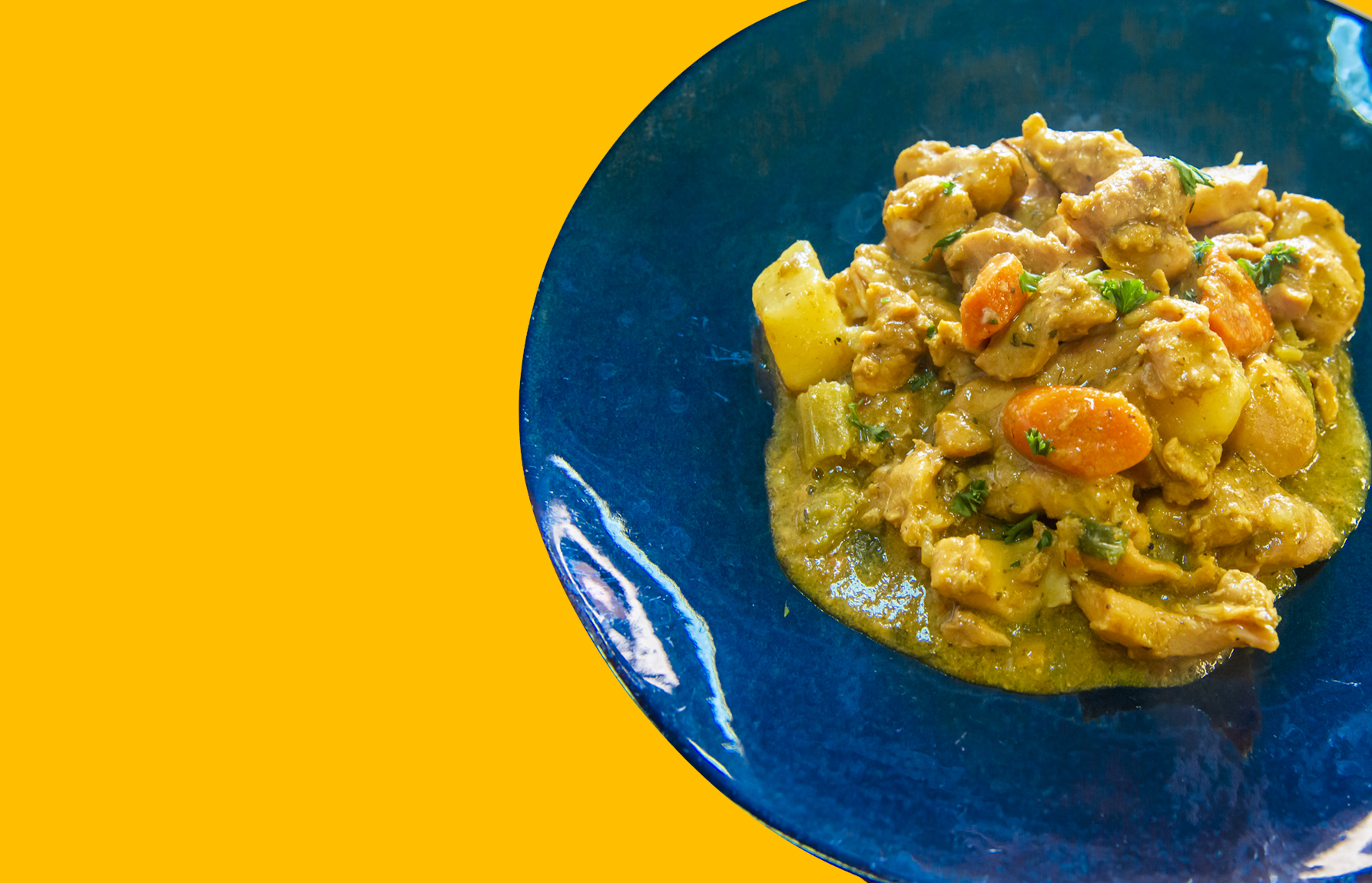
Think about brown stew chicken. It is not usually the hottest item on the table, yet it tastes deeply seasoned. The chicken is marinated with onion, scallion, thyme, black pepper, perhaps pimento, then browned before simmering with vegetables and sauce. What makes the dish memorable is not raw spice intensity. It is the way sweetness, savoriness, and spice lock together. The gravy carries the seasoning into the rice, and suddenly the whole plate makes sense.
The same principle applies to ackee and saltfish, Jamaica’s national dish. It is not a hot dish by default, but it is fragrant and lively. Salt cod brings salinity and depth. Ackee is soft and delicate, almost buttery in texture. Onion, tomato, thyme, black pepper, and Scotch bonnet, sometimes used whole for aroma more than heat, give the dish shape. A cook who simply dumps in chopped hot pepper can ruin that balance. This is where judgment matters more than bravado.
The history of Jamaican spice is written into the food
Jamaican food did not arrive fully formed. Its spice traditions reflect Indigenous ingredients, African foodways, European colonial influence, and the culinary imprint of Indian and Chinese communities, among others. You can taste those histories in a single meal.
Pimento is native to the Caribbean and central to Jamaican identity. Curry powder points to Indian indentured labor and the way spice blends were adapted to local ingredients and preferences. Saltfish became important through trade and colonial provisioning. The practice of preserving, seasoning, and slow cooking meat speaks to practical realities as much as taste. Spices in Jamaica were never only decorative. They preserved, stretched, transformed, and dignified ingredients.
That historical layering helps explain why Jamaican food feels so complete. It is not built from a narrow pantry. It is built from adaptation and memory. The seasonings are bold because they had to carry flavor through difficult conditions and make use of what was available. Over time, what began as necessity became style.
Why pimento deserves more respect outside Jamaica
Outside the Caribbean, allspice often gets trapped in holiday baking. It shows up in pies, spice cakes, mulled drinks, and then disappears for the rest of the year. That is a shame, because its savory potential is remarkable. In Jamaican cooking, pimento is not a background note. It is a structural spice.
Whole berries can go into stews and stocks. Ground pimento enters rubs and marinades. Pimento wood, when available, becomes fuel for jerk. Few spices do so much work across so many forms. It adds warmth without heaviness and sweetness without sugar. That is a rare quality. If you have ever tasted jerk that felt oddly flat despite plenty of chile and thyme, missing or stale pimento was probably part of the problem.
Freshness matters here. Ground allspice loses character faster than many people realize. Whole berries, toasted lightly and ground as needed, have more perfume and complexity. This is one of those small kitchen habits that changes results dramatically. Jamaican food rewards that kind of attention.
The role of fresh herbs and aromatics
It is tempting to discuss Jamaican seasoning as if it all lives in jars, but some of its strongest flavors come from produce. Scallion, thyme, onion, garlic, ginger, and fresh pepper are not accessories. They are the active engine of the cuisine. Remove them and you lose the brightness that keeps rich dishes from becoming dull.
This is especially important when cooking at home outside Jamaica, where substitution is common. Dried thyme can work in a pinch, but fresh is better for many dishes. Standard green onions are usually fine, though flavor varies by freshness. Scotch bonnet can be replaced if absolutely necessary, but the result changes. Habanero is the closest widely available option, yet even then the aroma is not identical. Cooks who understand Jamaican food know that substitution is sometimes unavoidable, but they also know where compromise shows up on the plate.
One practical approach is to focus first on getting the aromatic base right. Even if the pepper is not exact, a marinade built with fresh thyme, scallion, ginger, onion, and pimento will still move in the right direction. If the herbs are wilted, the scallions old, and the spice pre-ground years ago, no amount of extra chile will fix the problem.
Spice changes across dishes and settings
There is no single heat level or seasoning style that defines all Jamaican food. Family cooking often differs from restaurant cooking, and both differ from what gets sold to tourists looking for maximum intensity. Home cooks may use Scotch bonnet whole, pricked once, to perfume a pot without flooding it with heat. Street vendors may lean harder on pepper because boldness sells quickly. Church gatherings, holiday meals, beach cookouts, and weekday dinners all shape how spice gets used.
Even the same dish can vary widely. One cook’s jerk marinade might be wetter and herb-heavy, another’s darker and spicier. One curry goat may emphasize turmeric and black pepper, another may read more thyme-forward. Rice and peas can be gentle or assertively seasoned depending on the cook, the meat it accompanies, and the audience at the table.
This variation is worth respecting. Too often, discussions of Jamaican food treat authenticity as if it were one fixed recipe. In practice, authenticity is often found in method, ingredient logic, and flavor balance more than strict uniformity.
Cooking Jamaican food well means understanding restraint
The paradox of strongly seasoned cuisine is that it can be ruined by excess. More pepper is not always better. More thyme is not always fresher. More curry powder does not guarantee a better curry. Over-seasoning can make food taste blunt, bitter, or confused.
A few common mistakes show up repeatedly in home kitchens:
- Using too much sugar in jerk marinades, which causes burning before deep flavor develops.
- Replacing pimento with generic “mixed spice” or skipping it altogether.
- Chopping Scotch bonnet too aggressively for delicate dishes that only need aroma.
- Under-salting the marinade, then trying to compensate with extra heat.
- Rushing braised dishes that need time for the spices to settle.
The cooks who get Jamaican food right usually understand sequencing. They know when to marinate and when not to. They know which spices should bloom in fat, which herbs should go in early, and when fresh aromatics should be added near the end to restore brightness. They also know that smoke, char, and time are seasonings in their own right.
What to notice when you eat it
If you want to appreciate the bold spices of Jamaican food beyond the first hit of heat, slow down and pay attention to the order in which flavors arrive. That sequence tells you a lot about the cook. A strong dish often opens with aroma before heat, then settles into warmth, herb, salt, and savory depth. Poorly built spice tends to arrive all at once and leave quickly.
When tasting jerk, notice whether the pimento reads clearly or gets buried. In curry, notice whether the spice tastes toasted and integrated or dusty and raw. In stewed dishes, pay attention to whether thyme sharpens the sauce or just floats on top as garnish. These details may sound small, but they are the difference between food that is simply seasoned and food that is composed.
That is one reason Jamaican food has such staying power. It offers immediate pleasure, but it also rewards close attention. The bolder the seasoning, the more important balance becomes. Great Jamaican cooking understands that instinctively.
Bringing the flavors into your own kitchen
Home cooks often get intimidated by Jamaican spice because they assume the cuisine demands special equipment or impossible-to-find ingredients. Some pieces are certainly easier to reproduce than others. A backyard jerk pit with pimento wood gives results that an apartment oven cannot fully match. Still, many of the cuisine’s core lessons translate well.
Start with freshness. Buy whole allspice if you can. Use fresh thyme and scallion. Handle Scotch bonnet with respect rather than fear. Season meat early enough for the flavors to penetrate, especially when working with chicken, pork, or goat. If making curry, toast the powder briefly in oil. If grilling, allow for char without turning everything black. If stewing, give the pot enough time.
Most of all, do not chase novelty. Jamaican food is not powerful because it is extreme. It is powerful because its flavors are confidently organized. The spices are bold, but they are not chaotic. Each ingredient has a role, and the best dishes let you taste that purpose.
There is a reason a plate of jerk pork with festival, or a bowl of curry goat with rice and peas, or a pan of brown stew chicken can feel so satisfying even before the first bite is finished. The spices are doing more than adding excitement. They are building architecture. They carry history, sharpen appetite, balance richness, and make simple ingredients feel complete.
That is the real beauty of Jamaican food. Its boldness is not a stunt. It is craft.
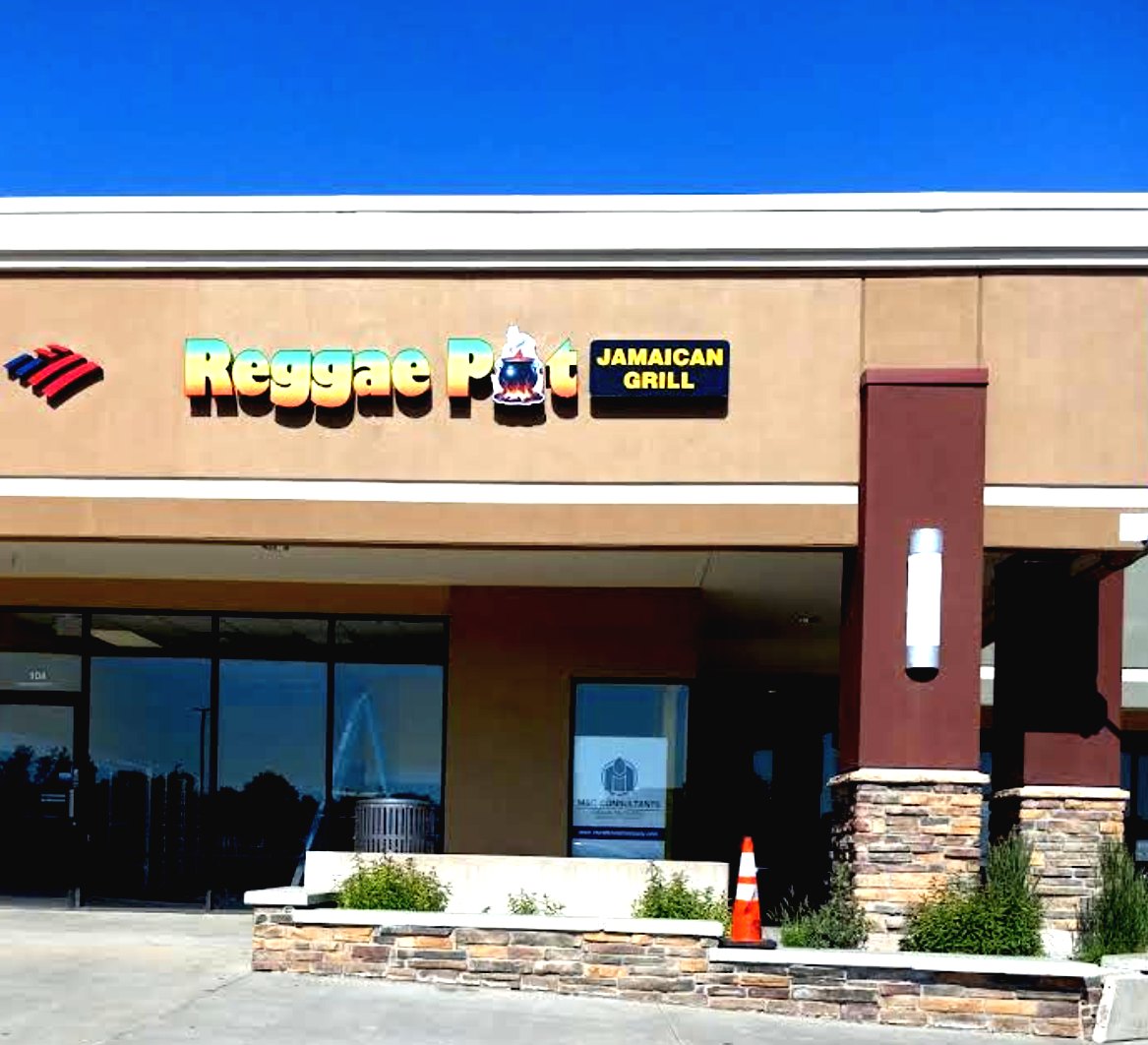
Reggae Pot Jamaican Grill
2243 S Monaco St Pkwy #104
Denver, CO 80222
+1 720-410-2956
FAQ About jamaican food
What is the best Jamaican food to try in Denver?
The best choice depends on your tastes. Popular options include jerk chicken, curry goat, slow-cooked oxtail, and savory patties. Reggae Pot lists these dishes on its menu, with sides such as rice and peas and plantains. Ask the Denver team about current availability and spice levels.
Is Jamaican food very spicy in Denver?
Heat varies by dish and preparation. Jerk seasoning often includes scotch bonnet peppers alongside herbs and allspice, while other dishes may have gentler seasoning. Ask about the heat of the specific dish and any sauce before ordering.
What are some popular Jamaican snacks?
Jamaican patties are a popular snack made with flaky pastry and savory meat or vegetable fillings. Other options include fried dumplings and festival, a sweet fried dough often served with savory dishes. Availability varies, so check the current menu when ordering.